
Food noise isn’t the problem - it’s a symptom
Food noise isn't the problem — it's a symptom of chronic dysregulation. Why silencing it isn't the same as understanding it, and why therapy can offer a slower, more sustainable way through.

De-villainising Coping Strategies
Coping strategies are exactly that: ways of coping. They once helped us get through something. Understanding them, rather than judging them, is often where lasting change begins.

RED-S: Quietly Running on Empty
RED-S is more common than many people realise. Learn what it is, who’s most at risk, and how counselling can support recovery and long-term wellbeing.

The Strength of Becoming Yourself
Personal growth isn’t always comfortable. Explore why becoming more yourself can involve both strength and grief, and why both are essential to the process.

Let’s Not Confuse Capability With Capacity
Before deciding you’re not capable, consider whether capacity is the real issue. Explore why understanding the difference can help you respond to yourself with less criticism and more understanding.

Why You Exercise Matters As Much As Whether You Exercise
Exercise can support wellbeing, but it can also become a way of managing difficult thoughts and feelings. Explore why your motivation to exercise really matters.

Is Exercise Serving You, or Driving You? Understanding Exercise Dependency
Exercise is good for our mental health—but sometimes our relationship with it becomes more complicated. Discover when healthy habits can begin to feel like obligations.
"Why do I keep doing this?" —Bingeing, eating past fullness, and what your body might actually be looking for
Binge eating isn’t about a lack of willpower. Discover the psychology behind binge eating and why understanding the cycle is the first step towards change.

The Binge Cycle - What’s Actually Happening in the Brain
Why does binge eating keep happening, even when you’re determined to stop? Explore the brain and emotional processes that drive the binge cycle.
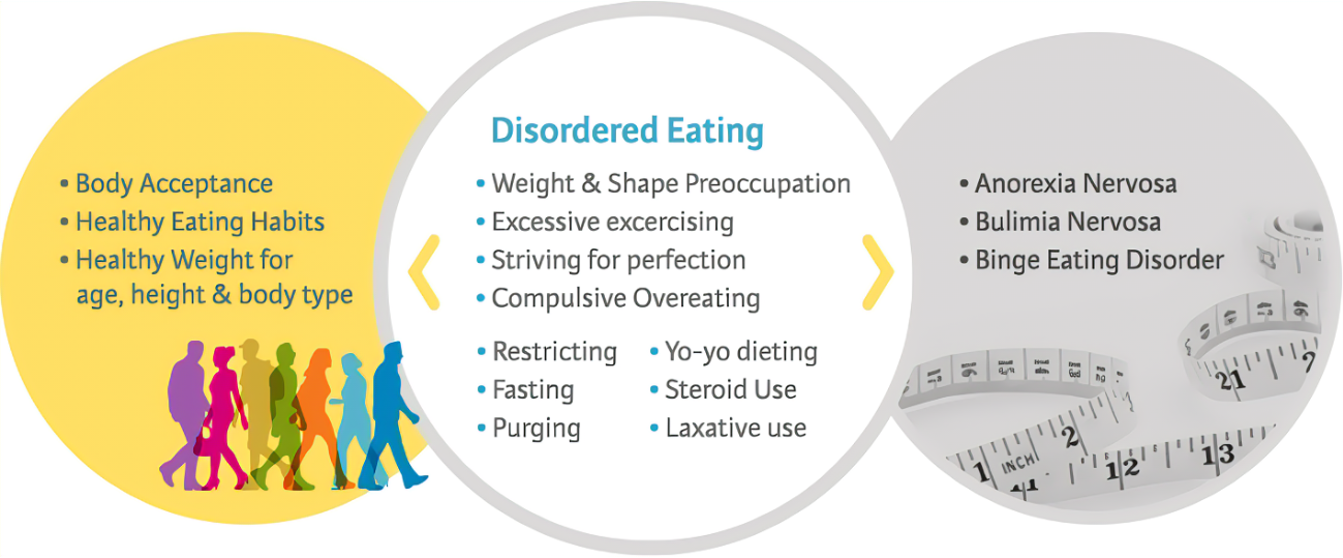
Normal, Disordered or Eating Disorder?
What’s the difference between normal eating, disordered eating and an eating disorder? Explore the continuum of eating behaviours and when it may be time to seek support.

It is about the food. It’s not about the food.
Unlike many other conditions, eating disorder recovery can’t happen by avoiding the trigger. Learn why rebuilding a relationship with food is at the heart of recovery.

What I’ve Learned About Eating Disorders in Sport — A View From All Sides
Having experienced eating disorders in sport from multiple perspectives, I share the insights that have shaped my understanding of recovery, support and long term well-being in sport.