
Normal, Disordered or Eating Disorder?
When I thought about how to start this blog, I realised that the most obvious place is with the two questions I most often get asked:
What is normal eating?
What’s the difference between disordered eating and an eating disorder?
At first, these questions might seem simple, but the truth is that there isn’t a clear-cut answer. Eating behaviours exist on a continuum, and they can shift over time—sometimes gradually, sometimes more noticeably. It’s possible for someone to move from what might be considered ‘normal eating’ to disordered eating, and sometimes, unfortunately, to a diagnosed eating disorder. Equally, someone who has experienced an eating disorder can, with the right support, move toward a balanced and fulfilling relationship with food.
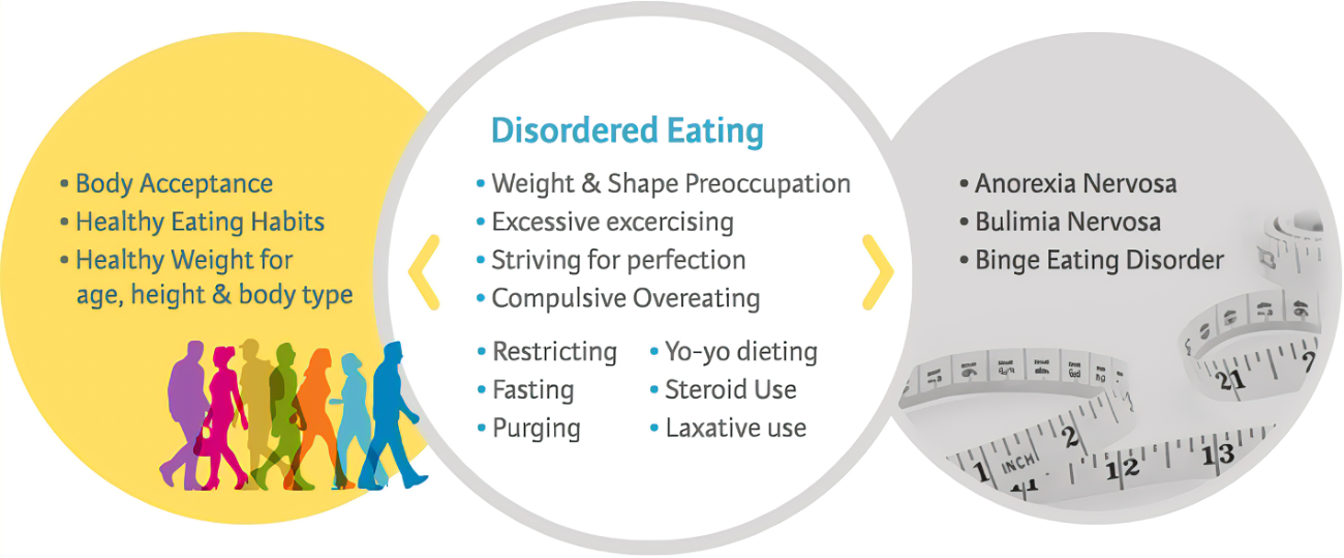
Because of this continuum, the distinction between “normal,” “disordered,” and an “eating disorder” can be blurry. A person may appear to eat in a very typical way on the outside, but internally, they may be struggling with thoughts or feelings about food, body, or weight that cause distress or influence behaviours. Conversely, someone may not meet the full criteria for a diagnosed eating disorder, but their eating habits could still be causing distress or negatively affecting their life. Both experiences are important and deserving of understanding, compassion, and support.
Even professionals sometimes debate what “normal” and “disordered” eating looks like, because everyone’s experience is different. Diagnostic criteria help define eating disorders, but new sub-clinical patterns—like “diabulimia” or “athletic anorexia”—are being recognised more frequently as our understanding grows. These patterns highlight that eating disorders do not always fit neatly into boxes, and that seeking support is valid even if someone doesn’t meet every diagnostic criterion.
The key point is this: if your relationship with food, body, or exercise is causing worry, distress, or affecting your quality of life, it is okay to reach out for help. You don’t need a formal diagnosis to deserve support. Feeling confused or overwhelmed by food and eating is common, and asking for help is a courageous first step.
The term “normal eating” itself can be misleading. What is “normal,” anyway? In our culture, diet and body messages are everywhere—TV adverts, social media, wellness trends, and “before-and-after” transformations all shape the way we think about food and bodies. These messages can be confusing, contradictory, and even damaging, making it hard to know what a healthy relationship with food looks like.
So, when people ask me, “What is normal eating?” my honest answer is: there isn’t a single definition. What is normal for one person might not be for someone else. And just because a behaviour is common, it doesn’t automatically mean it is supporting health or well-being.
I know that what people are often really asking is, “Is my eating okay?” or “How should I eat to feel well?” Those are big questions, and they don’t have simple answers—but that doesn’t mean the situation is hopeless. Recovery and balance are absolutely possible. It might take time, and it might involve support from professionals, but many people do move toward a healthier and more peaceful relationship with food.
One helpful way to think about this is in terms of “optimised nutrition.” This can be described as safe, supported, purposeful, and individualised nutrition practices that help balance health, well-being, and daily life. Optimised nutrition is flexible, recognising that no single approach works for everyone. It’s about finding ways of eating that truly support your body and mind—so that you have the energy and confidence to live your life fully.
It’s important to remember that disordered eating doesn’t always look like extreme restriction or bingeing. Sometimes it shows up as obsessive thoughts about “good” and “bad” foods, excessive exercise, or rigid rules that take over daily life. These behaviours, even if hidden or subtle, are still signs that support may be helpful.
Recovery may feel daunting, but it is not insurmountable. Many people find that with the right guidance, practical tools, and emotional support, they can reconnect with hunger and fullness cues, rebuild trust in food, and experience meals without fear or guilt. It is a gradual process, and setbacks can happen, but they are part of the journey rather than a failure.
In short:
Disordered eating and eating disorders take many forms, and all deserve attention and support.
“Normal eating” is subjective, and the focus should be on health, balance, and well-being rather than comparison.
Optimised nutrition supports the whole person and is flexible to individual needs.
Seeking help is valid and important, regardless of whether someone meets a diagnostic criterion.
Recovery is possible, and support—both professional and personal—can make a meaningful difference.
Life is complex, and food can be complicated too. There’s no perfect formula, but there is hope, understanding, and the possibility of developing a relationship with food that nourishes both body and mind. You are not alone, and help is available.