The Strength of Becoming Yourself
When we talk about becoming ourself, we tend to focus on what we are gaining: more confidence, better boundaries, greater self-awareness, increased authenticity. I often feel that this comes with an assumption of expansion and maybe also ease.
Yes, I would say that this is true. But. What we tend not to also talk about is where personal growth can come with friction and grief. And that this is a necessary part of the process….
Let’s Not Confuse Capability With Capacity
These two word DO often get confused. I don’t mean that I see definitions, spellings or context getting mixed up. What I do see though is people assuming that one directly relates to what it means about the other - and what that then means about themself. Followed by a self-criticism (said out loud or otherwise) that is both unfair, and inaccurate.
There is a big difference between capability and capacity. And there are also other systems at play which directly add to the self critical narrative and our responses to them……..
…….before you conclude that you're not capable, pause and consider whether capacity might be the real issue.
You may be more capable than you've been giving yourself credit for.
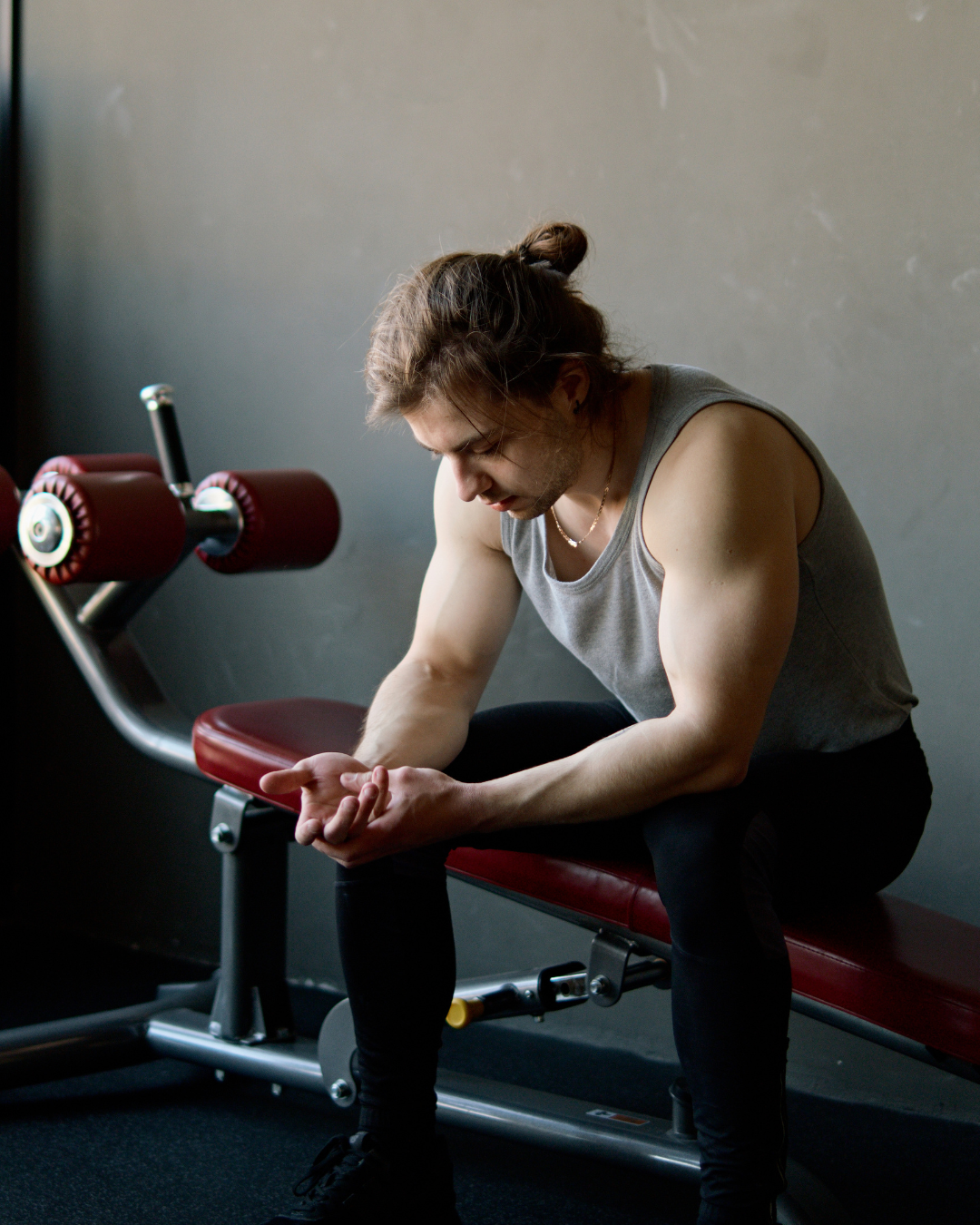
Is Exercise Serving You, or Driving You? Understanding Exercise Dependency
We are told, consistently and confidently, that exercise is good for our mental health. And it IS. The research is solid, the benefits are real. Movement genuinely can be one of the most effective tools we have for regulating our nervous system, lifting our mood, and feeling more at home in our bodies. There’s a chemical change and a sensory, body awareness change.
But our relationship with exercise can become complicated.
Because something that is less talked about - but in my opinion should be — is where those benefits to our mental health tip.
And when what started as something that was helpful can begin to feel less like a choice and more like a demand, less like a relief and more like a requirement.
It is about the food. It’s not about the food.
When recovering from an eating disorder, abstinence isn’t a solution. The very thing that is causing distress in one way or another — food — needs to be consumed in order to recover. There’s something so very obvious about this, yet it is still not fully appreciated by those who have never experienced an eating disorder.
Unlike many other conditions, recovery cannot be achieved by removing the trigger. We cannot step away from food, avoid it indefinitely, or “cut it out” while we heal. Food is essential for life. And so the very place where the eating disorder lives is also the place where recovery must happen.
I believe that finding a way through difficulties with food is both one of the deepest conflicts of eating disorder recovery and also its greatest gift. We have to eat to be well. And so, in order to recover — and to truly be well — we need to engage with the very thing that has felt unsafe, overwhelming, or unbearable. People do recover from eating disorders, and go on to have a healthy, relaxed, enjoyable relationship with food that causes them no distress whatsoever. So it is possible.